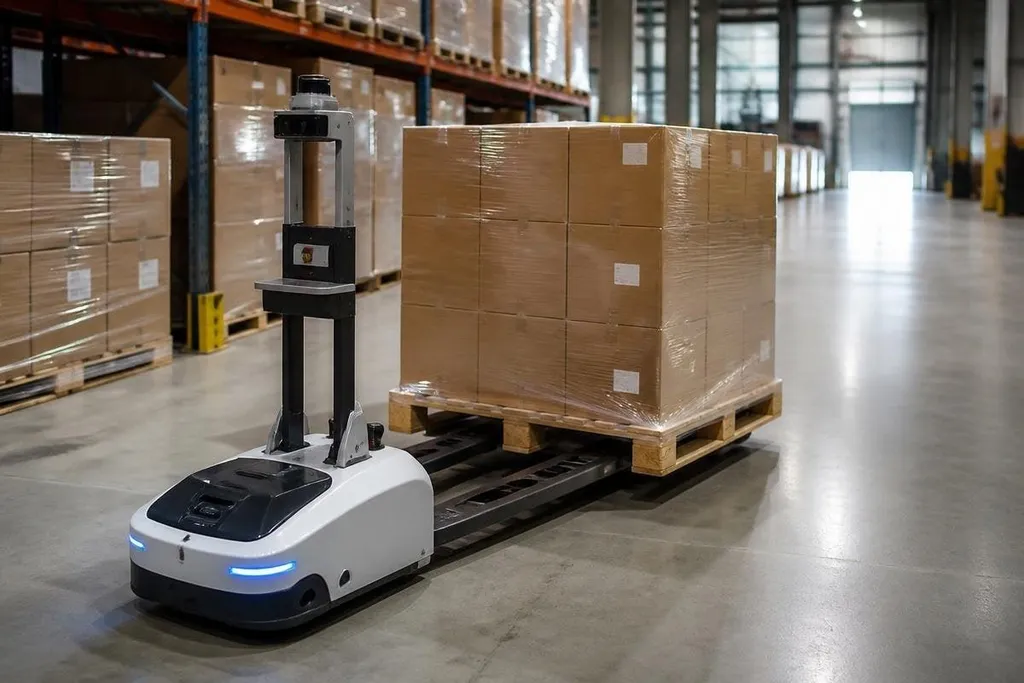
A robot bought outright turns into a large purchase before it moves a single box. Robotics-as-a-service, or RaaS, spreads that cost across a recurring fee and may include the robot, software, maintenance, and support. For an operations manager, the real question is whether the monthly bill matches the work the robot completes.
- Lower starting cost: payment begins without buying the full system first.
- Shared responsibility: the provider may handle updates, repairs, and parts.
- New risk: fees can continue even when demand or robot use falls.
What the monthly fee pays for
A RaaS contract can cover more than the physical robot. The fee may include the software that plans tasks, remote support, routine maintenance, replacement parts, and access to a technician. Each contract defines those items differently, so the price alone tells you little.
The provider may also keep ownership of the robot. That changes the balance sheet for the customer, but it doesn't remove the cost. Payment still has to come from work the robot completes, such as moving goods, inspecting parts, cleaning floors, or handling repeated tasks.
The useful comparison is not the monthly fee against the robot's purchase price. Compare it with the full cost of owning and running the robot over the period you expect to use it. That calculation includes installation, staff training, software charges, service visits, spare parts, downtime, and the cost of removing the system later.
Why companies choose RaaS
Buying a robot makes sense when the task is stable, the expected service life is clear, and the owner can support the equipment. RaaS fits a different situation. A site may want to test automation before committing to a permanent fleet, or it may face demand that changes from month to month.
A recurring contract can also move some repair and software work to the provider. That matters when a site lacks staff who can diagnose sensor faults, update software, or replace a failed actuator. The arrangement works only if the contract spells out response times and the provider has access to the parts needed for repair.
A contract’s price should be checked against what the robot does after installation. Robotics deployment reports can show the task, site, support plan, and measured result, giving an operations team a way to compare a monthly fee with actual work. That record matters before looking at where the economics can fail.
Where the economics can fail
RaaS can cost more than ownership when the robot runs for many years at high use. A purchase ends after the asset is paid off, while a service fee normally continues as long as the contract remains active. The customer pays for access and support, not only for metal and motors.
Low use creates a second problem. If the robot works two shifts during a busy period and sits idle during a quiet one, a fixed monthly fee may exceed the value of the completed work. A contract based partly on usage can reduce that risk, but it may include minimum payments, task limits, or extra charges for peak demand.
The contract also controls what happens when the robot fails. Ask who pays for travel, labor, parts, software work, and lost operating time. A promise of support means little if the response window is too long for the task.
I’d choose RaaS for a measured trial or a task with uncertain demand, then compare it with ownership before renewing.
A practical check before signing
Use these points to turn the monthly price into a real operating cost:
- Name the task: record the work, operating hours, load, speed, and handoffs the robot must handle.
- Count the full fee: include setup, training, software, support, parts, transport, and taxes.
- Set a downtime rule: define the response time, repair target, replacement plan, and any service credit.
- Check the exit terms: ask who removes the robot, stores the data, and pays for early cancellation.
- Measure the work: track completed tasks, staff time changed, stoppages, and total monthly cost.
The decision should rest on completed work, not the robot's presence on site. If the service fee stays below the cost of the task it replaces and the contract handles downtime fairly, RaaS can make sense. If use is uncertain and the provider charges a fixed fee, keep the term short and set a renewal test around measured output.